
Vacuum Glazing & Listed Buildings
Vacuum glazing can be a useful part of a retrofit strategy for listed buildings where improved comfort, reduced condensation, and better thermal performance are needed without unnecessary harm to historic character.
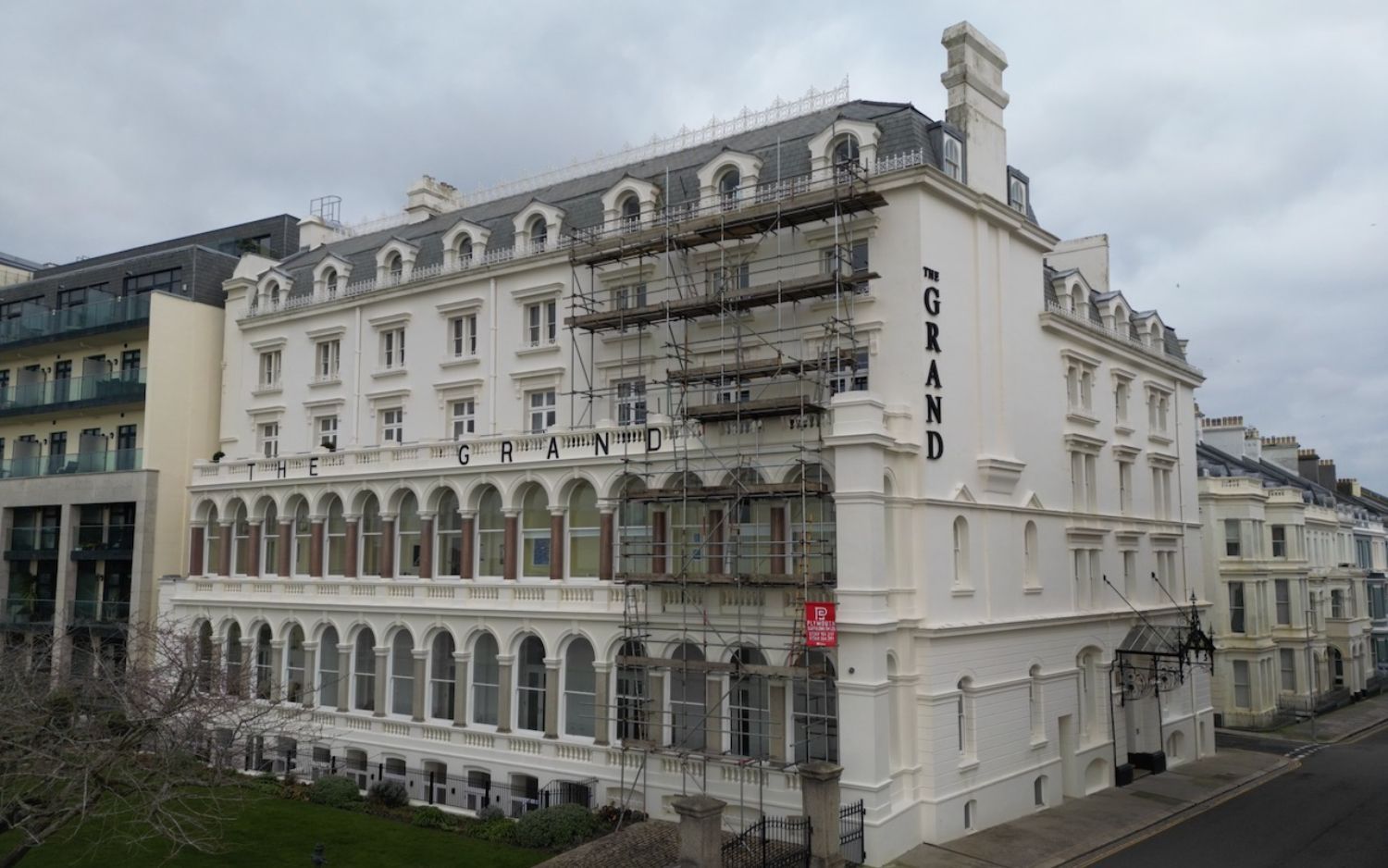
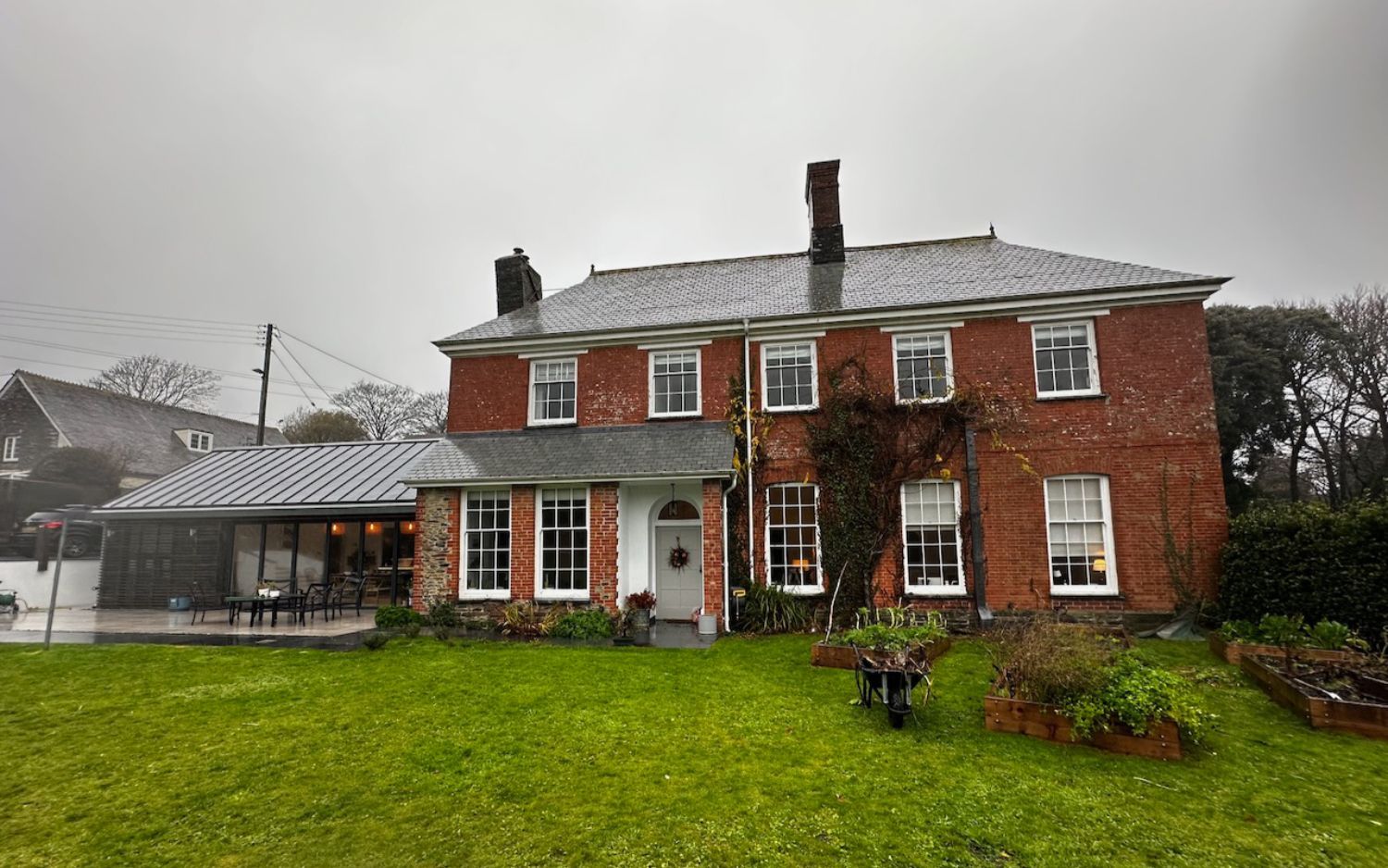
For many owners of listed buildings and historic homes, the problem is familiar: cold glass, draughts, condensation, black mould, uncomfortable rooms, and rising heating costs. Yet improving old windows is rarely straightforward. Original joinery is often an important part of a building’s character, and poorly judged alterations can damage historic fabric and create problems at Listed Building Consent stage.
At BluePrint Architectural Workshop, we advise on vacuum glazing as one possible measure within a wider retrofit strategy for historic properties. The starting point is always the building itself: its significance, condition, detailing, planning context, and the extent to which improvement can be achieved sensitively.
What is vacuum glazing?
Vacuum glazing uses two panes of glass separated by a very narrow evacuated cavity, allowing strong thermal performance within a slim overall build-up. This makes it more compatible with traditional window sections than many standard double-glazed units.
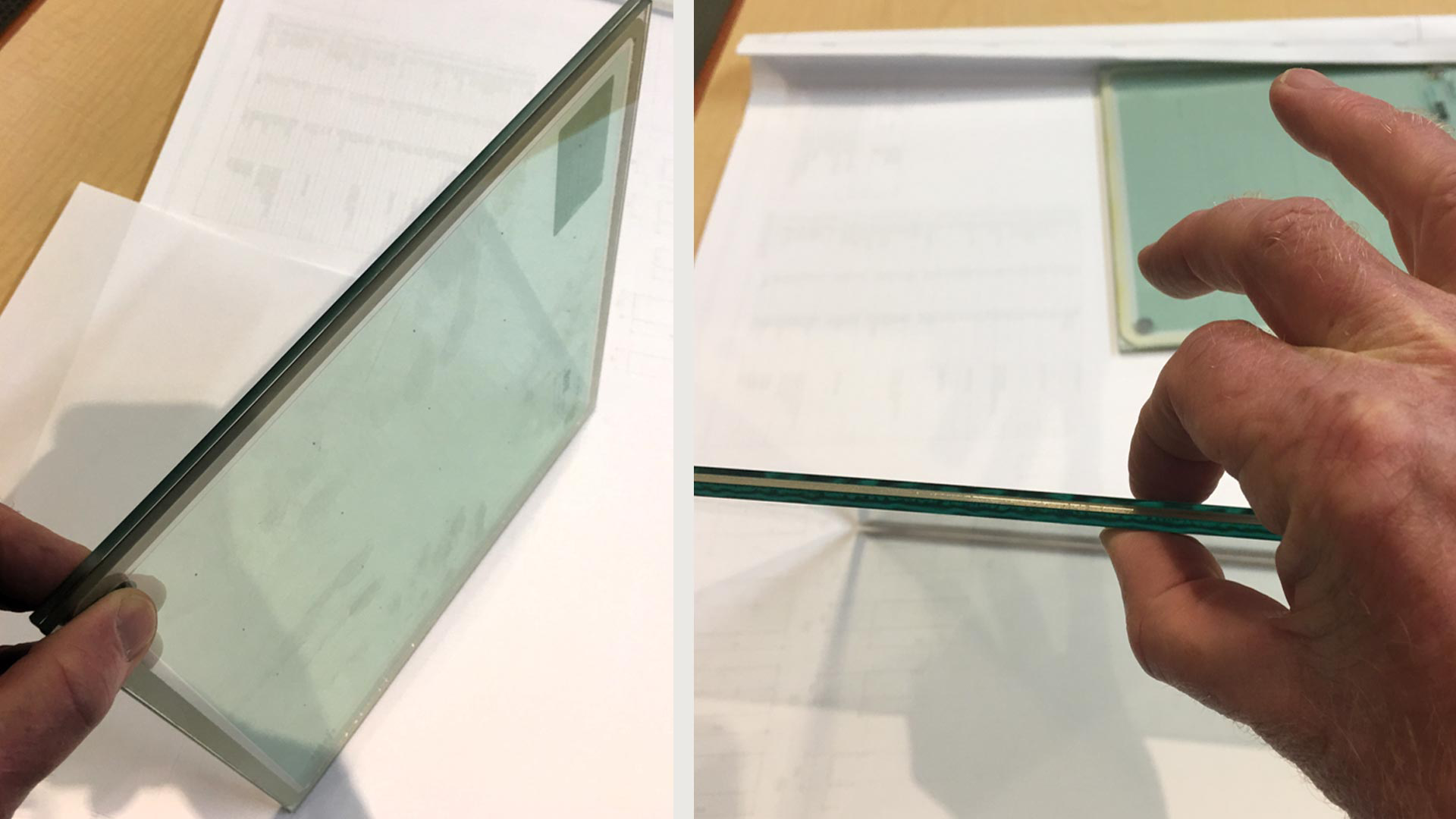
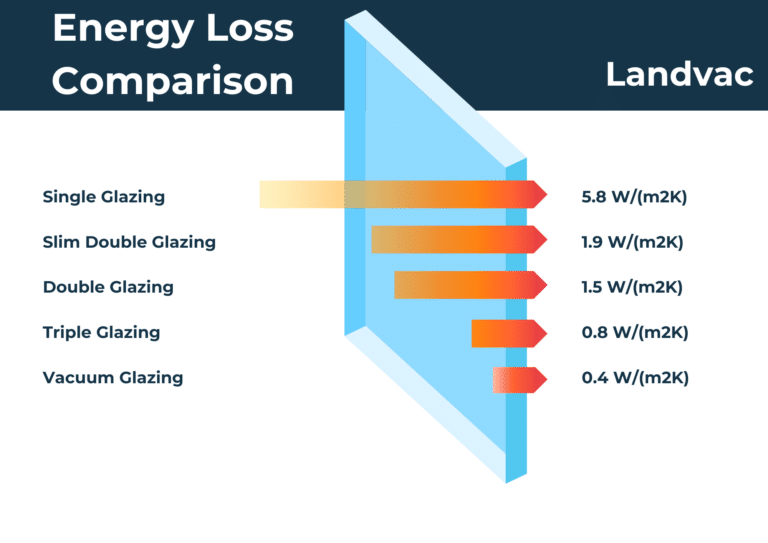
Its slimness is what makes vacuum glazing particularly relevant to listed buildings. In the right circumstances, it may allow performance improvements while preserving more of the original character, proportions, and visual delicacy of historic sash or casement windows.
Superior to triple-glazing
U-Value: 0.4-0.7 W/m2K, rather than 0.8-1.0.
Invisible technology
The vacuum is sealed between just two panes of glass.
Suited for listed buildings
Retains original frame proportions and timber appearance.
Eliminates condensation & mould
Inner pane stays warm, eliminating the conditions where mould grows.
Dramatic energy savings
Up to 25% reduction in heating costs.
Heritage-sensitive solutions
We use FINEO, Landvac, PassivGlas and Tatra Glass to maintain conservation standards.
Where it may be appropriate
Vacuum glazing may be worth considering where:
- Existing windows make a strong contribution to the character of the building and should be retained.
- There are persistent issues with condensation, discomfort, or heat loss.
- Traditional sections may be able to accommodate a slimmer unit without unacceptable visual change.
- Repair and draught-proofing alone are unlikely to achieve enough improvement.
- A clear heritage and consent strategy can be prepared.
Where other measures may be better
Vacuum glazing is not suitable in every case.
Some windows are too significant, too delicate, or too finely detailed to justify intervention. In other situations, repair, overhaul, draught-proofing, shutters, curtains, or secondary glazing may be the better route. This is why we treat vacuum glazing as one option among several, rather than a default recommendation.
How it fits within retrofit consultancy
If you arrive at vacuum glazing too early, it is easy to make the wrong decision for the building.
Through our retrofit consultancy service, we help clients look at the wider picture first: where heat is being lost, what is causing discomfort, what role the windows are actually playing, and which measures will give the best balance of heritage protection, practical benefit, and planning realism.
That wider view may include:
- Window repair and overhaul.
- Draught-proofing improvements.
- Secondary glazing.
- Vacuum glazing.
- Ventilation and moisture management.
- Broader fabric-first retrofit measures.
Seen in that context, vacuum glazing becomes part of a coherent strategy rather than an isolated product choice.
Our approach
Our advice is shaped by conservation priorities and building performance.
We typically consider:
- The age, listing, and significance of the building.
- The importance of the existing windows to its character.
- The condition of the joinery and whether repair should come first.
- Whether vacuum glazing is technically and visually feasible.
- Whether Listed Building Consent is likely to be required.
- How the proposal should be justified to support a credible heritage case.
This gives clients a more reliable basis for decision-making and helps avoid expensive proposals that are poorly matched to the building.
Potential benefits
Where vacuum glazing is appropriate, potential benefits may include:
- Reduced internal condensation.
- Better thermal comfort near windows.
- Improved energy performance.
- Retention of traditional window character more successfully than with bulkier glazing systems.
- A more sensitive route to upgrading historic buildings.
The aim is not to erase the nature of an old building, but to improve its performance and feel while respecting its historic fabric.
Planning and listed building consent
Works to windows in a listed building often require careful justification, and Listed Building Consent may be needed where character is affected. What matters is not simply thermal performance, but the effect on significance, fabric, detailing, and appearance.
At BluePrint, we help clients assess planning risk early, shape a credible strategy, and prepare proposals that are proportionate, technically clear, and sensitive to the building's significance (specialness).
Case Study
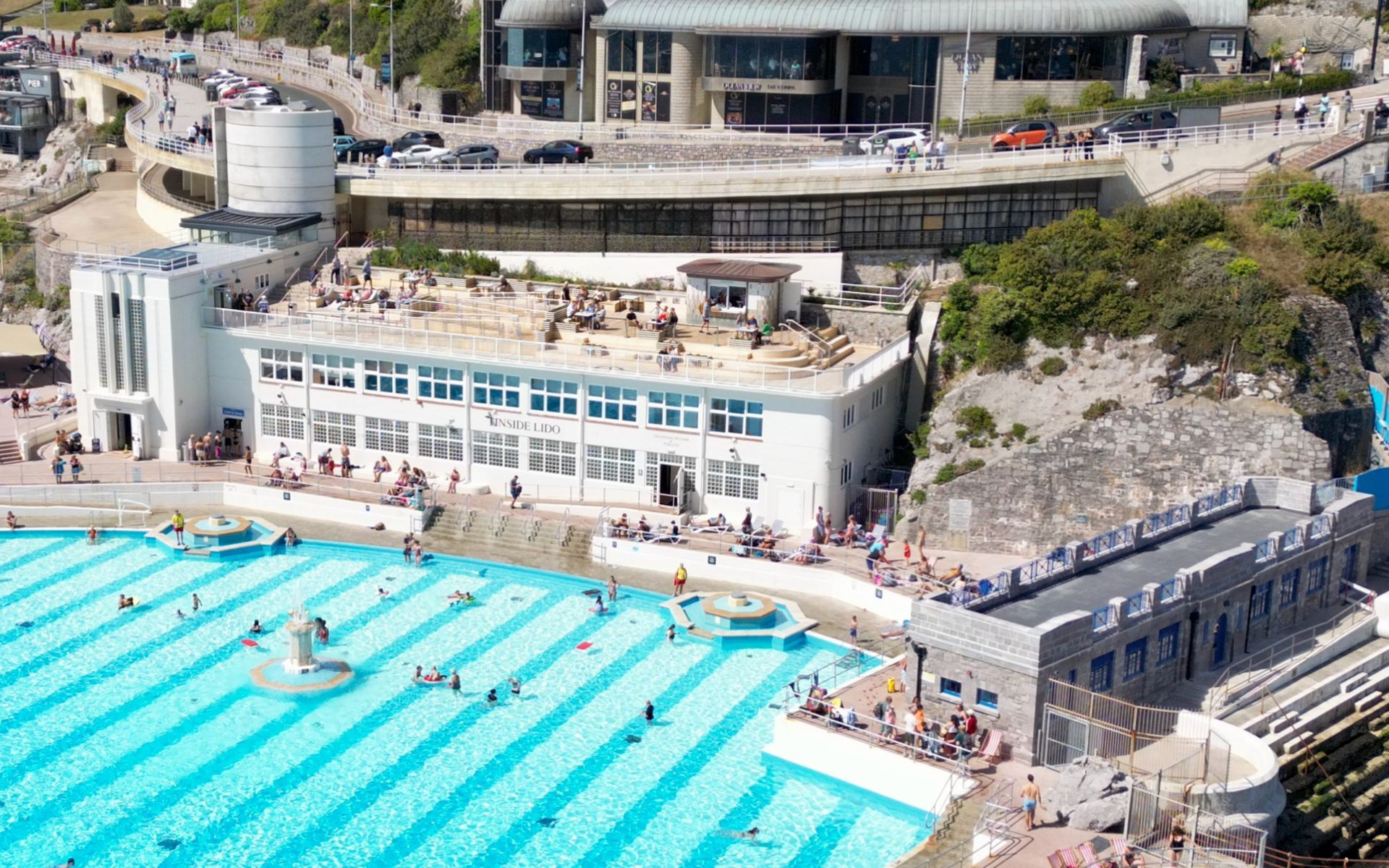
Tinside Lido is one of Britain’s Art Deco seawater pools and is a Grade II listed landmark located on Plymouth’s waterfront. As the conservation architect for the £4.5 million restoration, BluePrint devised comprehensive repair strategies for the original 90-year-old teak windows, incorporating high‑performance vacuum glazing to enhance comfort, durability, and energy efficiency while maintaining the building’s 1930s aesthetic.
The work at Tinside Lido demonstrates how specialist detailing and heritage‑led specification can deliver modern performance in complex historic buildings exposed to extreme coastal conditions.
Read the full Tinside Lido case study:
Why BluePrint?
BluePrint Architectural Workshop is a conservation-led architectural practice specialising in listed buildings, heritage assets, repairs, conservation, refurbishment, extensions, barn conversions, retrofit, and strategic advice for historic property.
We advise owners of historic buildings across the South West on improving comfort and performance without compromising the qualities that make these buildings special. Our role is to balance conservation, practicality, planning, and long-term value through clear, measured, and building-specific advice.
25+
Years of Experience
Decades of architectural
expertise across heritage projects and regulatory compliance.
100+
Heritage Projects
Completed over 100+ successful heritage conservation projects across the South West.
99%
Planning Success Rate
99% approval rate for planning permission and listed building consent applications.
AABC & IHBC
Accredited Specialist
AABC and IHBC-accredited architect with specialist expertise in heritage projects.
Expert Joinery Contacts
Relationships with local joiners who understand heritage detailing and vacuum glazing retrofit.
Award-Winning Portfolio
Recognition for sensitive adaptation and conservation excellence in historic building projects.
Our Proven Process
01
Book Your Consultation
Schedule your 60-minute
on-site assessment.
02
On-Site Assessment
Comprehensive evaluation
of your windows and doors.
03
Design & Planning
Formulate tailored design
concepts and options.
04
Professional Proposal
Detailed proposal with
costs and timelines.
05
Planning Support
Navigate consent with our
99% success rate.
06
Expert Installation
Retrofit by our contacts; experienced local joiners.
Talk to us
If you are considering vacuum glazing for a listed building, we can advise on whether it is likely to be appropriate, how it fits within a wider retrofit strategy, and what planning or heritage issues need to be addressed at an early stage.
The most effective starting point is not simply better glass, but a better understanding of the building.
Curated works